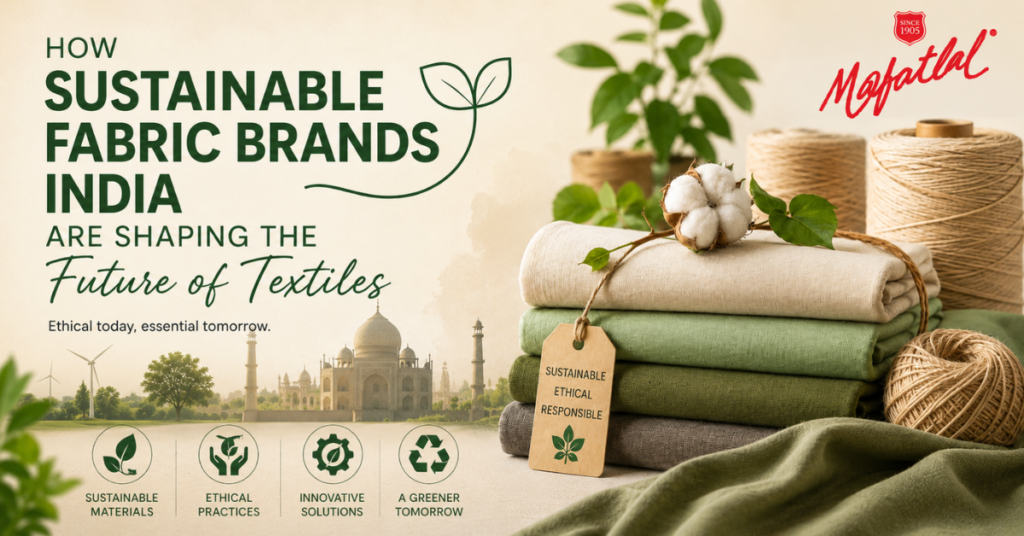
The global textile industry is undergoing a major transformation as sustainability becomes a key priority for manufacturers and consumers alike. In recent years, sustainable fabric brands India have emerged as leaders in creating environmentally responsible and ethically produced textiles. By combining innovation, eco-conscious manufacturing, and high-quality materials, these brands are redefining the future of the textile sector while addressing growing environmental concerns. Companies like Mafatlal Industries are supporting the textile industry with quality and innovative manufacturing solutions.
India’s Growing Role in Sustainable Textiles
India has always held a strong position in the global textile market due to its rich heritage of cotton, silk, and handloom production. Today, the country is taking this legacy a step further by focusing on sustainable and ethical practices. Modern consumers are increasingly aware of the environmental impact of fast fashion and textile waste, leading to a growing demand for eco-friendly alternatives. As a result, many Indian companies are investing in sustainable production methods that reduce pollution, conserve water, and minimize carbon emissions.
Rise of the Eco Friendly Textile Company Model
One of the biggest contributors to this shift is the rise of the eco friendly textile company model. These companies are adopting responsible sourcing practices, using organic fibers, natural dyes, and recycled materials to create fabrics that are both durable and environmentally safe. Many manufacturers are also implementing energy-efficient technologies and waste management systems to reduce their ecological footprint. This transition reflects a broader movement within the industry toward cleaner and more responsible production.
Importance of Green Fabric Manufacturing
The importance of green fabric manufacturing cannot be overstated in today’s textile landscape. Traditional textile processing often consumes large amounts of water and chemicals, contributing to environmental degradation. Sustainable manufacturers in India are changing this narrative by introducing water-saving dyeing processes, biodegradable materials, and renewable energy systems. These innovations not only help protect natural resources but also improve the long-term sustainability of textile operations.
Innovation and Quality in Sustainable Manufacturing
Companies like Mafatlal Industries are contributing to this evolving industry by focusing on quality-driven and innovative textile manufacturing solutions. As sustainability becomes central to textile production, businesses that embrace modern technologies and responsible practices are gaining recognition in both domestic and international markets.
Growing Demand for Sustainable Home Textiles
Another growing trend is the increasing demand for sustainable home textiles. Consumers today are seeking eco-conscious options not only in fashion but also in home furnishings such as bedsheets, curtains, upholstery fabrics, and towels. Sustainable textile brands are responding by offering products made from organic cotton, bamboo fibers, recycled polyester, and other environmentally friendly materials. These products provide comfort and style while supporting responsible consumption practices.
How Ethical Textile Brands Are Influencing Consumers
The rise of ethical textile brands has also influenced consumer behavior significantly. Modern buyers are no longer focused solely on price and design; they are equally concerned about how products are made and whether workers are treated fairly. Ethical brands prioritize fair wages, safe working conditions, and transparent supply chains. This ethical approach has strengthened consumer trust and encouraged more companies to adopt socially responsible business models.
Sustainable Innovation Shaping the Future
Innovation continues to play a major role in shaping the future of the industry. Indian manufacturers are investing in research and development to create premium sustainable fabrics that meet global quality standards while remaining environmentally friendly. From moisture-wicking performance fabrics to antimicrobial and recycled textiles, sustainable innovation is expanding the possibilities of modern fabric production. These advancements are helping Indian textile companies remain competitive in international markets while supporting long-term environmental goals.
Digital Growth and Consumer Awareness
The digital era has further accelerated the growth of sustainable fabric brands India. E-commerce platforms and online marketplaces have made sustainable products more accessible to consumers worldwide. Brands can now directly communicate their sustainability goals, certifications, and production methods to environmentally conscious buyers. This transparency has created stronger connections between brands and consumers, encouraging informed purchasing decisions.
Government Support and Industry Collaboration
Government initiatives and industry collaborations are also supporting the shift toward sustainability. Policies promoting eco-friendly manufacturing, waste reduction, and renewable energy adoption are helping textile businesses modernize their operations. Additionally, international demand for sustainable textiles is creating new export opportunities for Indian manufacturers focused on responsible production.
Adapting to Changing Market Expectations
Another example of this changing landscape can be seen through companies like Mafatlal medfits, which reflect how Indian textile businesses are adapting to evolving market expectations with innovation and quality manufacturing capabilities.
Conclusion
As sustainability becomes a defining factor in global commerce, the future of textiles will depend on balancing innovation, environmental responsibility, and ethical production. The continued growth of sustainable fabric brands India demonstrates the country’s ability to lead the transition toward a greener and more responsible textile industry.
By embracing sustainable practices and advanced manufacturing technologies, India is not only protecting its rich textile heritage but also shaping a cleaner and more innovative future for the global textile sector.